HOW TO CHOOSE THE RIGHT SAFETY PRODUCTS
The infrastructure activity in India is more intense than ever. Expansion of highways, metro corridors and large-scale civ![]() il construction sites are all happening at once, nationwide—and there are real consequences to procurement decisions on these projects.
il construction sites are all happening at once, nationwide—and there are real consequences to procurement decisions on these projects.
However, the selection of road safety products is still done on the basis of precedent or cost, and not necessarily on the suitability of the product to the site. On a large infrastructure project, this disconnect in thinking results in failures on the ground, compliance risks and project delays. All of these can be prevented by selecting the right safety products from the outset.
Meeting this need at scale depends as much on product availability as on product design. With manufacturing facilities and an extensive distribution network across India, Nilkamal supports infrastructure projects requiring timely deliveries across multiple phases, so procurement teams are never left waiting on critical safety equipment mid-project.
What Goes Wrong When You Choose the Wrong Road Safety Product
● On interstates or highways where air pressure formed by vehicles is high, barricades may blow over on crews, causing injury as well as disrupting traffic.
● Safety equipment without retro-reflective strips can become difficult to identify at night, especially on 24-hour construction sites or projects operating alongside live traffic.
● Non-interlocking barriers create unsafe gaps in the safety barrier, posing a risk to workers and users.
● Non-compliant products result in inspection failure and project delays on NHAI or government-contracted infrastructure projects, and downstream costs are many times the initial savings.
Why UV-Stabilised Virgin Polyethylene Is the Right Material for Indian Conditions
Indian construction settings are tough ( challenging). Coastal regions are associated with humidity and salt-laden air. Equipment is subjected to heat and UV radiation in the deserts. Waterlogging and heavy rain are common challenges at monsoon-affected sites. The conditions cause standard, lower-grade plastic to crack, warp, and lose retro-reflective adhesion mid-project.
UV-stabilised virgin polyethylene holds up where others fail:
● Durability - UV stabilisation helps prevent photodegradation, ensuring products withstand the elements throughout the seasons.
● Consistency - Virgin polyethylene ensures uniform density and reliable load-bearing performance.
● Reusability -Products that do not degrade can be moved and redeployed across project phases, resulting in a significant reduction in lifecycle procurement costs.
A product that lasts throughout a multi-phase project offers greater value for investment than one that requires replacement every season.
How Safety Requirements Change Across Project Phases
Safety requirements change as construction works move forward, and what is effective at the start of construction may not be sufficient when traffic is diverted or night shifts start.
● Duringearly groundworks, basic barricade demarcation is generally sufficient, with low vehicle speeds and restricted site access.
● Duringtraffic diversion phases, the setup must handle significantly higher vehicle speeds. Interlocking, water-fillable, or heavier barricade options become necessary.
● Oncenight shifts begin, daytime and night-time requirements diverge significantly. Retro-reflective visibility becomes equally critical as physical barrier integrity.
Across all phases, temporary and flexible setups that can be moved, extended, and reconfigured are critical. When a safety perimeter is fixed and can't adjust to a changing workzone, it turns into an operational liability.
Key Factors to Evaluate Before Buying Road Safety Products
|
Evaluation Factor
|
What to Check
|
|
Material quality
|
UV-stabilised virgin polyethylene for long-duration outdoor use
|
|
Wind and load resistance
|
Interlocking or water-fillable design for high-traffic or windy sites
|
|
Product height
|
Matched to traffic environment, pedestrian zone vs high-speed highway
|
|
Night visibility
|
Retro-reflective strips, IRC-compliant
|
|
Ease of redeployment
|
Quick assembly without specialist labour
|
|
Supply consistency
|
Pan-India availability for multi-phase procurement
|
Whether site conditions are coastal, desert, urban or hilly, materials should be UV stabilised and be able to withstand the elements for extended periods of time. Where equipment is often being relocated and repositioned, night visibility features and ease of redeployment are a must have.
Which Road Safety Product Is Right for Each Situation
|
Product Type
|
Best Suited For
|
|
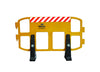
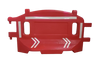
Safety Barricades (Interlocking)
|
Active construction zones, traffic diversion, pedestrian management
|
|
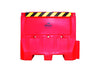
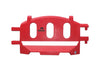
Safety Barricades (Water-Fillable)
|
High-wind sites, open highways, elevated or coastal projects
|
|
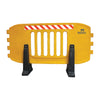
Perforated Barricade Fences
|
Long linear project boundaries — highway corridors, metro perimeters
|
|
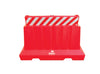
Road Fences (approx. 1,900mm height)
|
High-speed lane separation adjacent to live traffic
|
|
Hexagonal Safety Cones
|
Temporary hazard marking on uneven or windy ground
|
|
Road Light Barriers
|
Night shift zones, low-visibility sections, fog-prone areas
|
Common Procurement Mistakes to Avoid
● Purchasing based only on cost with no confirmation of material quality, UV rating, or retro-reflective specifications.
● Using incompatible brands or generations that don't fit together or there are gaps in the safety perimeter.
● Whether underordering on phased projects or using reusable polyethylene as single use, both increase the long-term procurement cost unnecessarily.
Compliance and Standards on Indian Infrastructure Projects
Safety requirements for NHAI projects and state PWD projects are in addition to general procurement requirements. The Indian Roads Congress (IRC SP 55) establishes traffic management standards in construction areas, which include:
● Barrier types appropriate for different traffic environments
● Visibility norms, including retro-reflective requirements
● Placement expectations relative to vehicle speeds and traffic volumes
Products must be of material quality, have retro-reflective characteristics if necessary, and suitable for the traffic on each site. Risk of inspections failure and contractual penalties on government-contracted jobs when using non-compliant products.
Conclusion
A proper product selection for road safety secures protection for employees, guarantees regulatory compliance, and helps keep large-scale projects on schedule. Safety equipment is not a commodity purchase, quality of materials, certifications, and suitability on site have a direct effect on on-ground results.
Nilkamal's road safety range that is made from UV-stabilised virgin polyethylene, interlocking design, and retro-reflective visibility features, caters to all of the above. It provides the durability, reusability, and compliance readiness needed for large infrastructure projects that span several phases and diverse site conditions, which procurement teams can't afford to compromise.
Explore Nilkamal's Road Safety Product Range:
Safety Barricades | Barricade Fences | Road Fences | Hexagonal Safety Cones | Road Light Barriers