If you are part of the supply chain or logistics industry, you already understand how critical an industrial conveyor system is for efficient loading and unloading operations. From warehousing and racking to stacking and transportation, handling heavy materials manually is both time-consuming and risky.
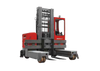
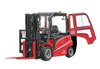
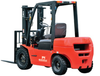
Material Handling Equipment (MHE) such as forklifts, cleaning machines, and conveyor belts play a crucial role in streamlining operations. Among them, industrial conveyor systems stand out as one of the most efficient and scalable solutions for moving goods safely and quickly.
Why Industrial Conveyor Systems Are Essential
Relying on manual labor for moving heavy products can lead to workplace injuries, product damage, and operational delays. This is where an industrial conveyor system becomes indispensable.
Key Benefits:
-
Improved Worker Safety – Minimizes manual lifting and reduces accidents
-
Faster Operations – Speeds up loading and unloading processes
-
Reduced Costs – Cuts labor dependency and operational inefficiencies
-
Enhanced Productivity – Ensures continuous material flow
-
Versatility – Handles materials of various shapes, sizes, and weights
For example, airport baggage handling systems are a classic real-world application of conveyor systems, ensuring seamless and efficient luggage movement.
Types of Industrial Conveyor Systems
There are multiple types of industrial conveyor systems designed to meet different operational needs, including mechanical, hydraulic, and automated solutions.
1. Flexible Conveyor Systems
Flexible conveyors are highly adaptable and widely used in packaging and material handling industries. Their expandable, snake-like design allows them to extend and contract based on operational requirements.
Features:
- Easy to move and adjust
- Ideal for temporary setups
- Suitable for bulk material movement
- Equipped with skate wheels for smooth transfer
2. Expandable Roller Conveyor (Gravity Feed)
This type of industrial conveyor system is rigid yet expandable, making it ideal for warehouses handling medium to heavy loads.
Key Specifications:
- Expandable length for flexibility
- Durable steel or aluminum rollers
- High load-bearing capacity
- Caster wheels with brakes for mobility
3. Motorized Power Roller Conveyor
A powered version of roller conveyors, this system is widely used in industries like food processing, pharmaceuticals, and chemicals.
Advantages:
- Automated movement reduces manual effort
- Available with sensor-based controls
- Stainless steel construction for durability
- Consistent and controlled material flow
4. Heavy-Duty Steel Conveyor (Gravity Feed)
Designed for high-impact and heavy-load applications, this industrial conveyor system ensures long service life and reliable performance.
Highlights:
- High load capacity
- Impact-resistant structure
- Heavy-duty skate wheels
- Ideal for industrial and bulk operations
5. Light-Duty Plastic Wheel Conveyor
This conveyor is suitable for lighter applications where speed and efficiency are required without handling heavy loads.
Features:
- Lightweight nylon wheels
- Cost-effective solution
- Easy mobility and setup
- Ideal for packaging and sorting
Truck Loading & Unloading Conveyor Systems
Truck loading conveyors are specialized industrial conveyor systems designed to simplify loading and unloading operations.
Benefits:
- Adjustable height using hydraulic systems
- High-grip belts to prevent product damage
- Variable speed control (start/stop/reverse)
- Heavy-duty structure for industrial use
These systems are essential for warehouses dealing with high-volume logistics operations.
Telescopic Belt Conveyor Systems
Telescopic conveyors are advanced industrial conveyor systems that enhance efficiency and reduce labor dependency.
Key Features:
- Extendable design for direct truck access
- Improves loading/unloading speed
- Emergency stop for safety
- Covered moving parts to prevent accidents
- Adjustable length (e.g., 20ft and 40ft options)
This system is ideal for modern warehouses aiming for automation and higher productivity.
How to Choose the Right Industrial Conveyor System
Selecting the right industrial conveyor system depends on several factors:
- Type of material being handled
- Load capacity requirements
- Available space
- Level of automation needed
- Industry-specific requirements
Choosing the right system can significantly improve operational efficiency and reduce long-term costs.
Conclusion
An industrial conveyor system is no longer a luxury but a necessity in modern supply chain and warehousing operations. From improving safety to boosting productivity, conveyor systems play a vital role in streamlining material handling processes.
Whether you need flexible conveyors, telescopic systems, or heavy-duty solutions, investing in the right conveyor system will help you optimize operations, reduce costs, and scale your business efficiently.